Folio
1656-07-25
INVENTORY
Three hundred and sixty-three entries, and no prices
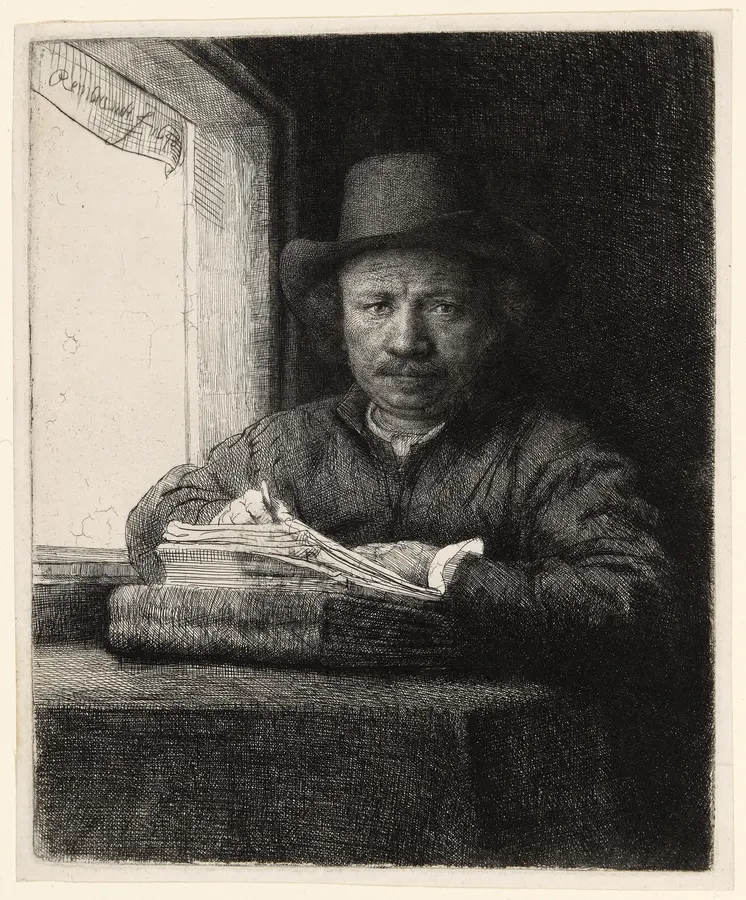
He applied for cessio bonorum on 14 July 1656. Officials attended on the twenty-fifth and the twenty-sixth and wrote for two days. What they produced runs to three hundred and sixty-three entries: paintings by other hands, prints, costumes, armour, antiquities, curiosities, and things brought out of the sea.
The book records no sums. Not one entry carries a figure, which is the most reliably misquoted fact about it. Officials list; what a thing fetches is settled somewhere else, later, and in front of other people.
The selling took years and ran into 1658 and past it. The inventory and the disposal are two separate procedures with a great deal of time between them, and the popular account compresses them into a single afternoon.
The large militia piece is 1642, fourteen years earlier, and had nothing to do with any of it. It gets attached because a story in which a great work destroys a career is more shapely than a story about a payment schedule.
The house had been bought in 1639, on credit, in a good year, and was never cleared. That is the mechanism, and it is dull. A schedule outliving the year it was signed in does not make an anecdote, which is precisely why it is not the version anyone tells.
Determination: a list is a list. He went on working for another thirteen years, and the best-known things came after the clerks had been and gone. What this document records is that on two days in July two officials wrote down a life in ruled columns and left the valuation column empty.
Support this work
Support links leave this site and are handled entirely by the processor; payment details never reach freshcod3s.
Freshcod3s LLC is an independent company, not a nonprofit. Support is business income and is not tax-deductible.